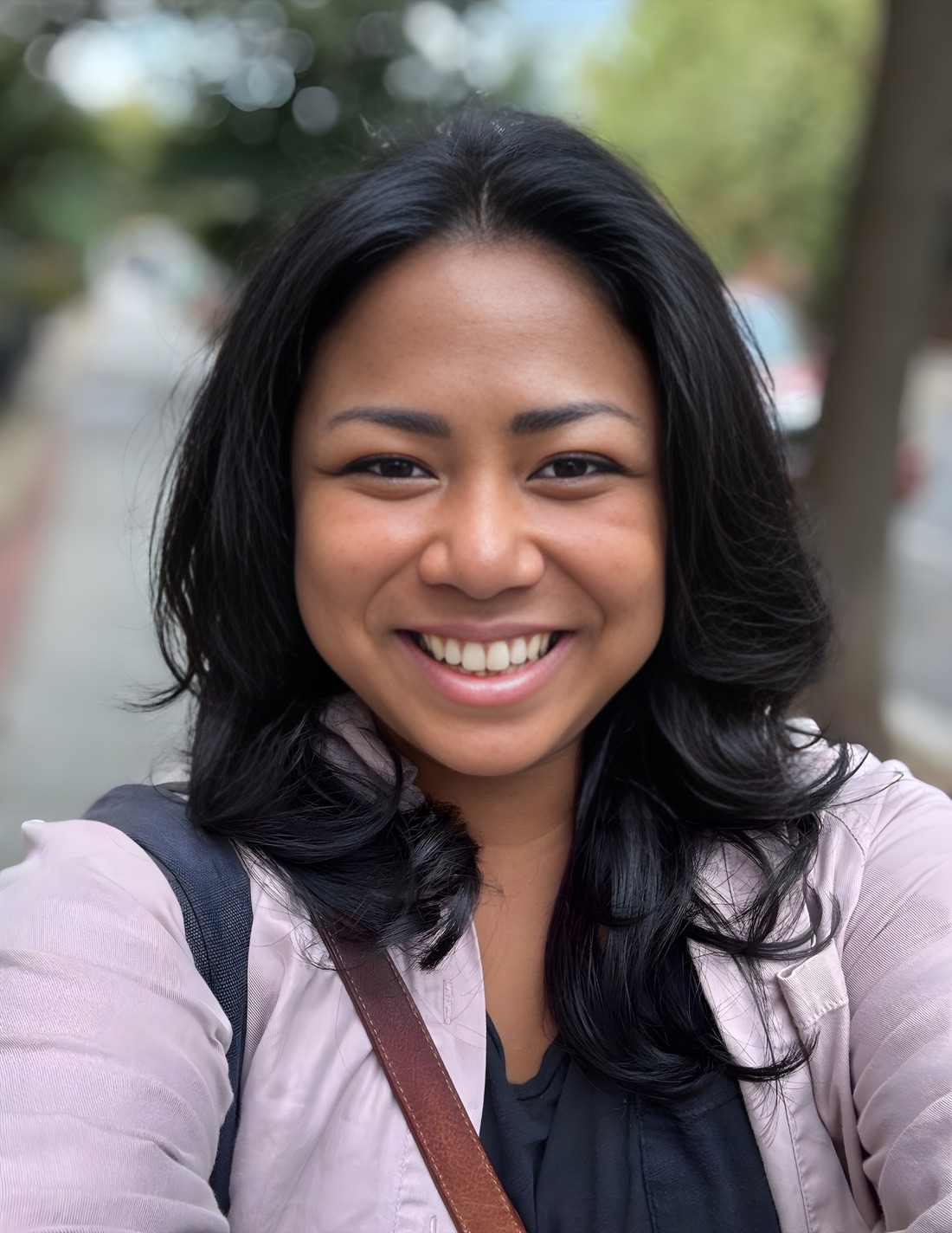
Quick question. Where did you learn to be good at your job?
If you're like most of us, the answer is something tidy. A degree. A bootcamp. A first role. A great mentor. Learn the skill, get the job, gain the experience, get good. A nice little pipeline.
I'd like to poke at that. Because when I look at the kind of manager I am today, the things I lean on hardest weren't learned at work. They were learned on the tangents of my career. Some of it was in a classroom. Some of it was on the ice. A large chunk of it was somewhere you'd never expect. (Spoiler: I'm not saying job experience doesn't matter. I'm saying it isn't the only place the good stuff comes from.)
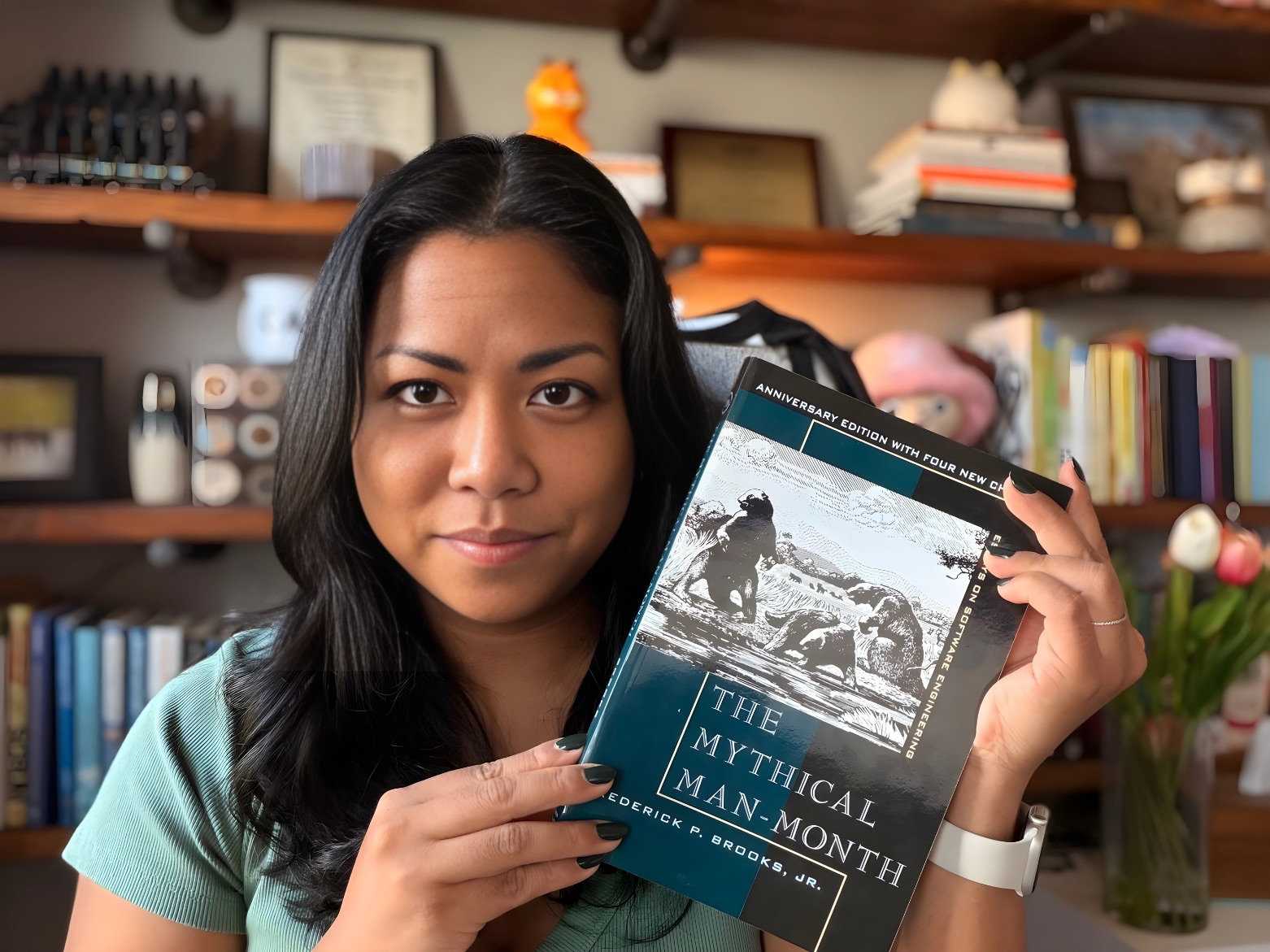
Quick housekeeping: This is a small interlude to my exploration of various management books and their take in the modern era. Brooks and friends1 will be waiting for me when I get back.
Editor-in-chief, who's this?
In high school, I was the editor-in-chief of our yearbook. And I had a teacher who did something incredible: she stepped back and let me take charge.
She gave me space to build my team, set the direction, and own a cohesive vision all the way to a finished product that hundreds of people (my entire high school) would hold in their hands. Did I get everything right on the first pass? Please. I was sixteen. But I loved the iterating. I loved getting a little better each round. (This is also where I discovered I'm a bit of a workaholic. Best to figure that out young.)
A few lessons that I still use today:
- Assign work that matters. I made sure the copy editors knew exactly what kind of quotes to go out and source. Vague tasks get vague results.
- Write the spec. I couldn't just say “take good photos.” I had to explain the style of photography we wanted, so a whole team of photographers could produce something that looked like one book. Design specs are how you communicate a vision to people who can't read your mind.
- A real deadline is different. Not a teacher's arbitrary due date. A publisher needed our draft by a specific day or the book wouldn't exist. Nobody was going to extend it for us.
There was one more piece to this that I didn't really appreciate until years later. Once a month, our principal gathered the student leaders for lunch in her main conference room. The editor-in-chief of the newspaper. The captain of the ROTC. The president of the Key Club. We each gave an update on our respective “fields.”
Look, I'll say it: it was a monthly cross-functional status sync, with sandwiches. I was being primed to be a middle manager at age sixteen. But what it really did was tell us our work had value, and that we had something worth sharing. I try to build that same feeling for my team today.
Everything that can go wrong, will
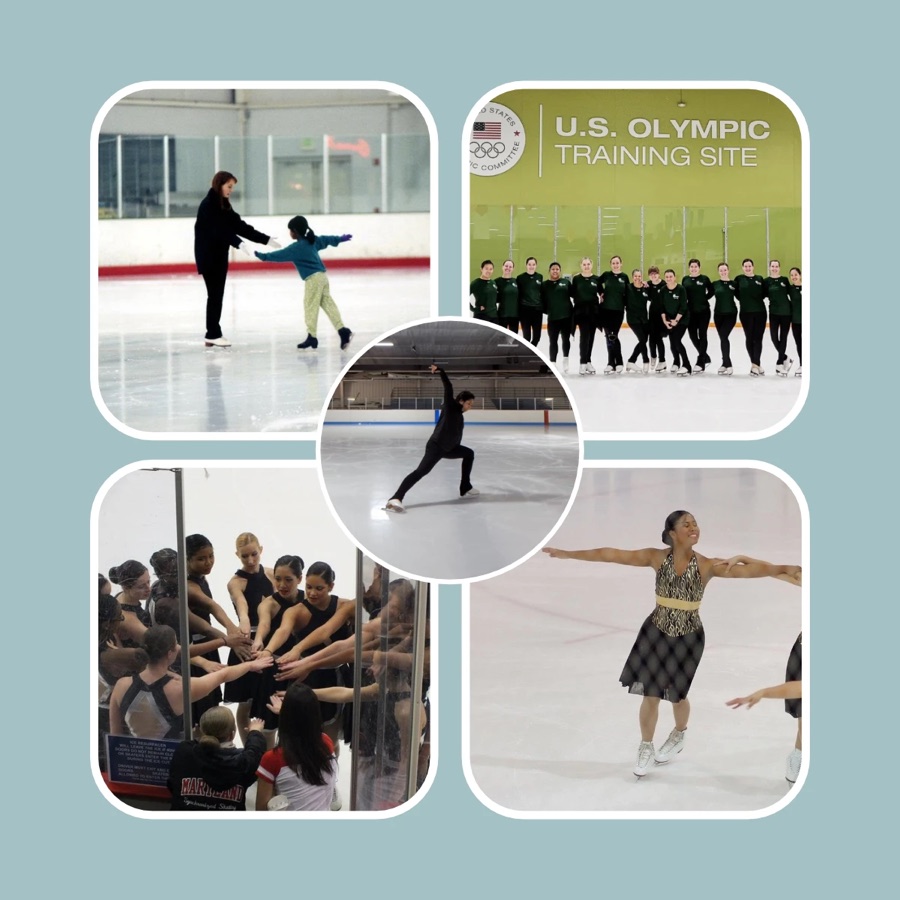
In college, I spent a semester as co-captain of our collegiate synchronized skating team. Yes, that's a real thing! I've been a figure skater my whole life, and skating itself taught me hard work and dedication (I wrote about that in this LinkedIn post2). But skating on a team taught me teamwork, and leading that team taught me far more about management than I expected.
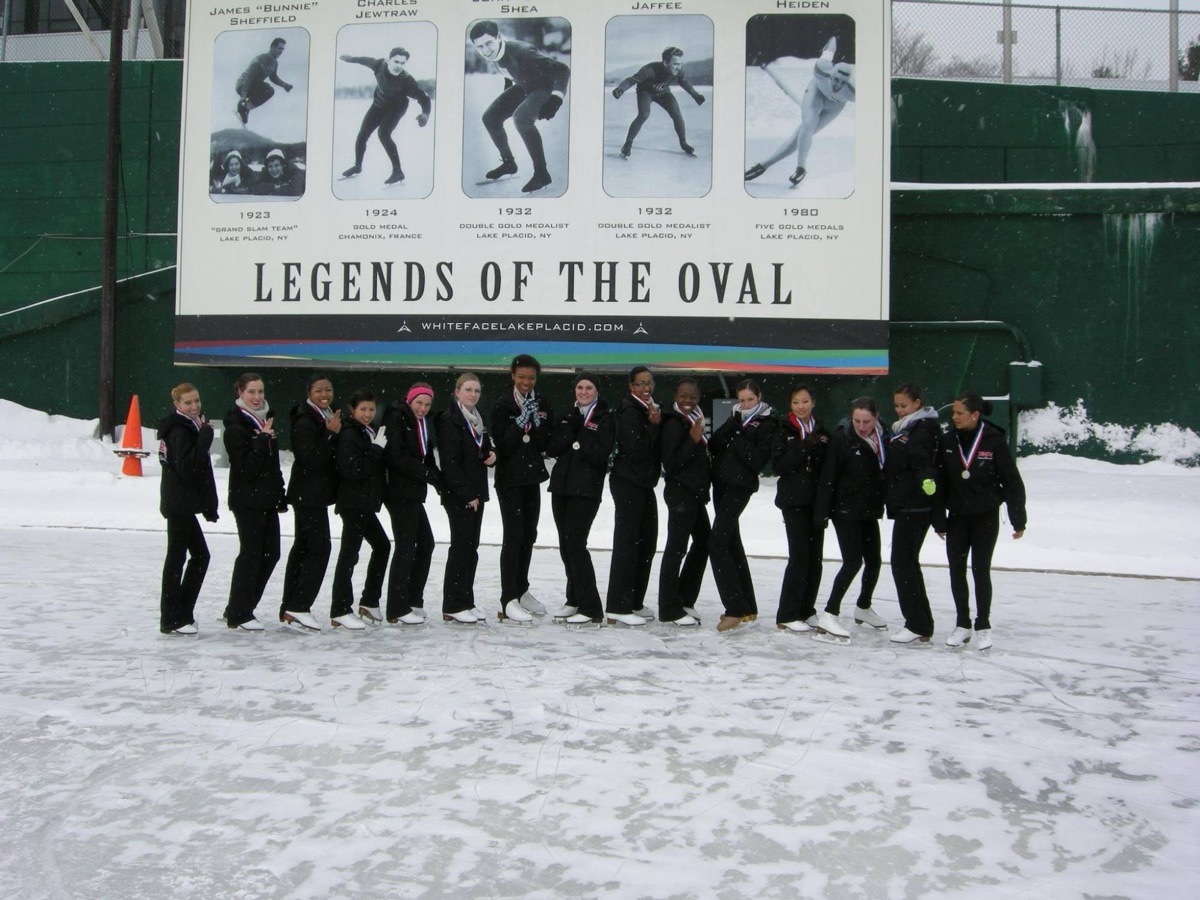
Picture our trip to Lake Placid for Easterns, where everything that could go wrong, did go wrong. We missed our flight because of bad weather. Our layover was canceled. We needed rental cars, which meant getting the school to authorize rental cars, which was tricky since the entire sports department was in some kind of conference and unreachable. Meanwhile our bags kept getting rerouted to random places. And those bags had our skates in them.
Here's the mistake I made. My co-captain and I spent hours on the phone with our contacts at the school, and we decided to shield the team from the chaos. We'd only update them when we had actual news. We thought that was the kind thing to do.
It was not. Silence doesn't feel like protection when you're stuck in an airport. It feels like nobody knows what's happening. (Which was, to be fair, true. But they didn't know that.)
To this day, transparency with my team (we're talking engineers now) is my top priority, even when I don't have the full picture. It's okay to say, “I don't know what's happening yet, but I'm finding out, and I'll tell you the moment I do.” We're all human. None of us are all-knowing creatures.
We did make it to Lake Placid, by the way. At 2am. After driving to Lake Placid, NY from Boston, MA. The next morning at 9am we skated in drugstore makeup and borrowed skates from another team, and we placed second3.
Hidden potential
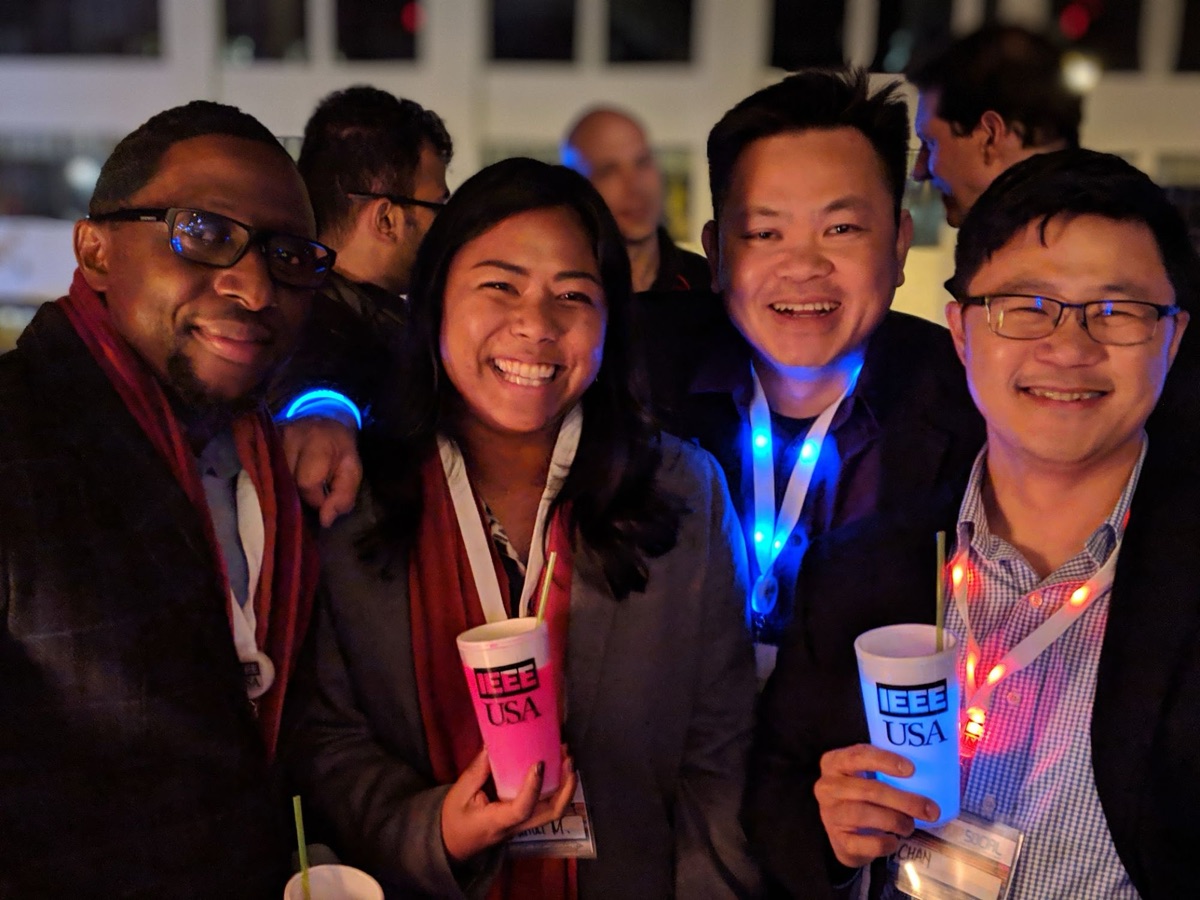
After graduating, I somehow ended up volunteering with IEEE. Which, for the record, is not an obvious fit for a digital media and studio art person in a computer-science-adjacent major. (Potato, potahto.)
If you haven't run into it: IEEE4 is the world's largest technical professional organization, with members and chapters all over the globe. It's the group behind standards you use every day (Ethernet and Wi-Fi, for starters), plus journals, conferences, and a vast volunteer network.
In college, I was a student representative on various IEEE committees and traveled to universities around the country to help student chapters get on their feet. Then, as a young adult, I got involved in sectional, regional, and national level groups. I may have even been the youngest Section Chair in recent history for the Washington Section, which, fun fact, counts Alexander Graham Bell among its founders.
I did that for ten years, in my spare time, on top of my regular job. Folks outside the IEEE world couldn't understand what I was doing there. Near the end, I'm not sure I could either.
But here's what it taught me:
- Bureaucracy is real. My day job back then, as a junior engineer, was pushing pixels around a page. IEEE was where I learned how big organizations actually move (slowly, and via committee).
- Find the person who can cut the red tape. Every large organization has one. When you find them, do not let go of them.
- Your voice still counts. Managing and persuading people two or three times your age taught me that being the youngest person in the room doesn't mean you have nothing to bring to the table. I learned how to speak up in a room of loud voices.
One conversation in particular stuck with me. A senior member told me, “Sundi, I have a grandchild your age, and I don't think they could do what you do for this Section.” I thanked him, and then I said what I actually believed: my time in IEEE is what prepared me for this level of management.
I eventually hung up that hat to focus on the Elixir community: speaking, running conferences, podcasting. But IEEE will always be one of the most formative things I've done.
Not just a line on a résumé
So what's the point? Isn't it obvious that extracurriculars are good for you?
Maybe. But I've known people who didn't think so. People who thought good grades in computer science were the only thing that could add up to a viable career. People who didn't see the point of my skating because I didn't have ambitions to go to the Olympics.
Here's what I'd say to them. Everything above shaped how I lead, and none of it shows up on a job description. Delegation, vision-setting, deadlines, transparency, navigating bureaucracy, speaking up as the newest person in the room: I didn't pick those up at an internship.
And that's worth remembering on the other side of the table, too. When we're hiring (and I have plenty of thoughts on how hard that is right now), it's tempting to scan for job titles and years of experience and call it a day. But the person who ran a club, captained a team, organized a conference, or looked after a community has often practiced the exact thing you need, just somewhere you didn't think to look.
Diverse experiences make us human. They set us apart. In my case, I'm pretty sure they made me a better people manager. Maybe they did the same for you.
Show notes
-
 1Hallway Track
Are We Actually Shipping Faster with AI?
The first book in the series: The Mythical Man-Month.
Read the post →
-
 2LinkedIn post
Before I was an engineering manager…
What figure skating taught me about hard work.
Read on LinkedIn →
-
 3The Diamondback
Lake Placid results
Against all odds, synchronized skating team takes 2nd in championship
Read the article →
-
 4Organization
IEEE
The world's largest technical professional organization.
Visit ieee.org →
Your turn
What's something you did outside of work that made you better at your job?
Send me your answer